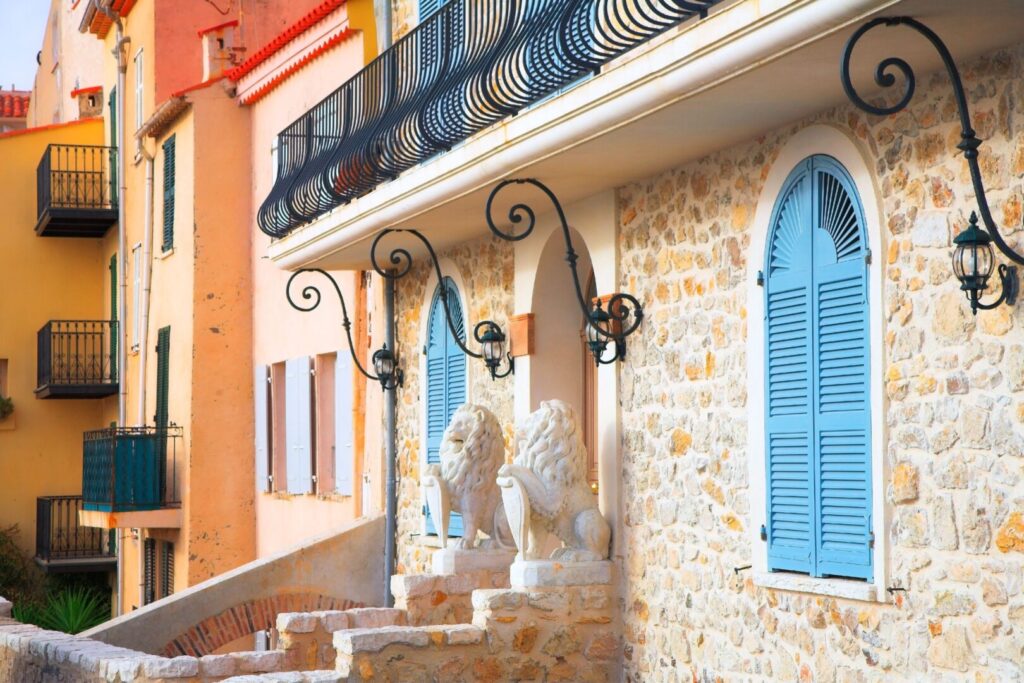

Financing a luxury property purchase in France is an ambitious undertaking, and often a mark of real achievement. Whether the goal is a sumptuous apartment in the heart of a great city, a villa overlooking the Mediterranean or a château of timeless character, buying at the top of the market raises many questions — none more pressing than how to fund it. In a market where prices frequently reach considerable heights, it is essential to explore the financing options available, to anticipate budgetary constraints and to weigh the opportunities open to you. This guide walks you through the main solutions, from conventional mortgages to more innovative alternatives, so you can realise your ambition of owning an exceptional home while keeping your finances soundly managed. To see what is on the market today, browse our luxury villas for sale on the French Riviera.
Financing options for a luxury property in France
When it comes to financing a luxury property purchase in France, several routes are open to the prospective buyer. Traditional mortgages remain a common choice, offering competitive interest rates and flexible terms. For high-value homes, however, it is often worth exploring large-balance mortgages — sometimes known as “jumbo” loans — designed specifically for amounts that exceed conventional lending limits. These can carry stricter credit requirements, but they make it possible to acquire high-value properties without an enormous upfront outlay. It is also worth considering forms of specialist financing, such as variable-rate loans, which can prove advantageous in a shifting interest-rate environment.
In addition, drawing on your own equity or personal capital is an appealing alternative, sparing you the high interest costs associated with borrowing. Financing a luxury acquisition through investment partnerships or dedicated property investment vehicles — such as French SCPIs — can also offer more inventive solutions. It is wise to weigh these different paths and to consult property finance specialists in order to optimise your return. Before doing so, it helps to understand why so many buyers invest in luxury property in France. Here is a summary of the main financing options available:
| Type of financing | Advantages | Drawbacks |
|---|---|---|
| Traditional mortgages | – Competitive interest rates – Flexible terms |
– Amount limits – Requires a strong credit history |
| Large-balance (“jumbo”) loans | – Suited to luxury homes – Access to substantial funds |
– Strict credit requirements – Potentially higher interest rates |
| Own equity | – No interest to pay – Strengthens personal wealth |
– Requires significant liquidity – Greater personal exposure |
| Investment partnerships | – Shared costs – Access to a network of expertise |
– Profits are divided – Finding partners can be difficult |
Eligibility criteria lenders assess for high-end acquisitions
When assessing borrowers who wish to acquire a luxury property, financial institutions weigh several essential criteria. The borrower’s overall financial position is paramount, taking in income, assets and liabilities. Credit history also plays a crucial part: an excellent record demonstrates reliability and can help secure financing at more favourable rates.
Lenders will likewise examine the borrower’s debt capacity. This ratio measures the share of income devoted to servicing debt, and banks generally prefer it to remain around a third of monthly income. Other factors — the size of the personal deposit and any property-backed guarantees — are further key indicators of creditworthiness. Institutions may ask for a detailed financial plan, including:
- Diversified sources of income
- Existing investments
- Foreseeable expenditure
For a fuller picture of the process from search to completion, see our guide to buying a luxury home in France.
Strategies to strengthen your deposit
To make the most of your deposit when acquiring a luxury property, it is worth following a few sound financial strategies. First, it pays to put a solid savings plan in place. This means opening a savings account dedicated solely to this goal and paying into it regularly. You might also consider higher-yielding financial products that can grow the value of your savings. Just as importantly, keep an eye on your monthly outgoings and trim any unnecessary spending so those savings can be channelled into your deposit.
Another approach is to make the most of your existing assets. If you already own property, consider renovating or improving it to raise its value; this can deliver a meaningful gain on resale. It may also be prudent to diversify your investments — rental property, for instance, can generate additional income. For a broader view of the options, read our overview of how to invest in prestige real estate in France. Here are a few ways to build up your deposit:
| Strategy | Advantage |
|---|---|
| Targeted saving | Rapid growth of your deposit |
| Profitable investments | Improvement in overall value |
| Improving existing property | Creating a gain on resale |
| Diversifying investments | Steady additional income |
The role of banks in prestige property finance
Banks and financial institutions play a crucial part in financing luxury acquisitions, offering products tailored to the specific needs of high-end buyers. These lenders understand the particular demands of the market — not least the need for a precise valuation of properties that are often complex to appraise because of their uniqueness and value. Drawing on that expertise, they offer bespoke mortgages, including:
- Fixed-rate loans: certainty over the monthly repayment for the full term of the loan.
- Variable-rate loans: the chance to benefit from potentially lower interest rates, though with longer-term risk.
- Bridging loans: easing the transition between the sale of an existing home and the purchase of a new one.
Beyond financing the purchase itself, these institutions also provide complementary services to help buyers optimise their investment, from property-market analysis to wealth-management advice. Here is an overview of the key points to consider when dealing with them:
| Key element | Why it matters |
|---|---|
| Property valuation | Justifies the amount borrowed. |
| Loan application | Must be complete to speed up the process. |
| Repayment capacity | Assesses the borrower’s financial viability. |
How interest rates affect financing a luxury property
Interest rates play a crucial part in financing a luxury property, influencing both the total cost of the loan and the monthly repayments. A low rate eases the financial burden and makes the investment more accessible; conversely, a high rate can significantly increase the amount to be repaid, deterring some prospective buyers. It is therefore essential to keep an eye on market trends in order to choose the right moment to borrow.
When considering the impact of interest rates, it helps to weigh the following:
- Cost of borrowing: a high rate eats into the budget available for other outgoings.
- Borrowing capacity: banks assess creditworthiness in the light of prevailing rates.
- Flexibility: variable rates can offer short-term savings but carry longer-term risk.
To illustrate these dynamics, the table below shows, purely as an example, how different rate levels change the cost of the same loan:
| Interest rate (%) | Loan amount (in €) | Estimated monthly repayment (in €) |
|---|---|---|
| 1.5% | 1,000,000 | 3,224 |
| 2.5% | 1,000,000 | 3,699 |
| 3.5% | 1,000,000 | 4,207 |
These figures are illustrative only; actual rates and repayments will depend on the lender, the term and market conditions at the time of borrowing. For context on values and outlook across the region, see our comprehensive guide to luxury property on the French Riviera.
Practical tips for negotiating your loan terms
When negotiating the terms of a loan for a high-end purchase, several key factors can shape your borrowing. First, make sure your application is strong. That means providing evidence of stable income, sound management of your credit and a full assessment of your assets. You can also strengthen your negotiating position by putting forward a larger deposit, since this reduces the lender’s risk.
Next, do not hesitate to compare offers from different institutions. Each lender may set distinct terms on interest rates, arrangement fees and repayment periods. A shrewd approach is to request loan simulations from several banks and to examine the following closely:
- Interest rate: choose a fixed or variable rate to suit your financial situation.
- Loan term: match the length to your repayment capacity to avoid overly high monthly payments.
- Early-repayment terms: check for any penalties on repaying the loan ahead of schedule.
Finally, do consider calling on a specialist broker or a financial adviser who knows the luxury property market well. Their expertise can translate into significant savings on the cost of your loan. For a location-specific perspective, our complete guide to buying a luxury villa in Cannes and our overview of the best areas to buy a villa on the French Riviera are useful starting points. You may also wish to weigh the tax benefits of luxury property investment in France before you commit.
Closing Remarks
Financing a luxury property purchase in France calls for a considered, well-structured approach. Whether you opt for a conventional mortgage, partnership financing or the use of your own liquidity, it is essential to weigh your options carefully and to take account of the tax implications and associated costs. Investment decisions should be made with care, to ensure not only the acquisition of a prestige home but also its lasting value on the market. Surrounding yourself with capable professionals — brokers, notaires and financial advisers — will improve your chances of completing this complex transaction successfully. By taking the time to inform yourself and to plan, you can bring your property project to life while preserving your long-term financial balance. To take the next step, explore our homes across the Côte d’Azur, from Cannes and surroundings, or speak to our team about an off-market search.