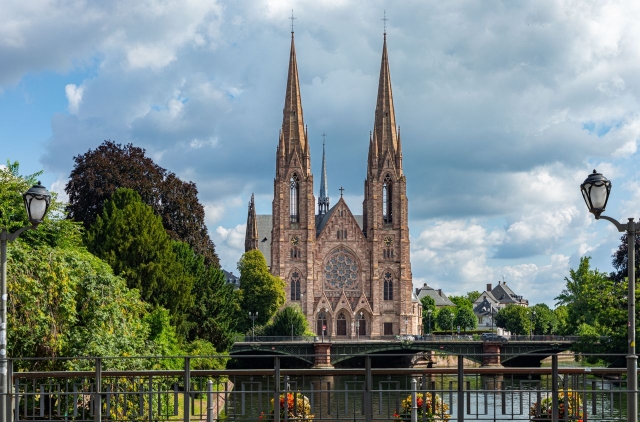

Within the European property landscape, France and Switzerland stand apart for their luxury markets, each reflecting the cultural wealth and history of its country. Although both destinations offer an abundance of high-end homes, their characteristics, dynamics and specific requirements differ considerably. When you compare luxury property in France vs Switzerland, the French market is often steeped in historic character, landmark architecture and a demand shaped by vibrant city living, felt most keenly in Paris and along the Côte d’Azur. The Swiss market, by contrast, renowned for its breathtaking Alpine scenery and economic stability, appeals to an international clientele in search of serenity and escape. This guide explores those differences in depth — the economic dynamics, the regulatory frameworks and the preferences of buyers in each country — while highlighting the current trends shaping the luxury property sector. To see what is available on the French side today, browse our luxury homes for sale on the French Riviera.
Current trends in the luxury property market: France vs Switzerland
In today’s luxury property landscape, France and Switzerland display distinct dynamics that shape how each market evolves and attracts investors. France, with landmark cities such as Paris, remains a destination of choice thanks to its cultural heritage and international appeal. Buyers seek homes in sought-after districts, where the Haussmannian style and historic buildings are highly prized. At the same time, growing foreign investment — notably from the Middle East and Asia — intensifies demand for high-end property and has a significant bearing on prices.
On the other side of the Alps, Switzerland offers a luxury market defined by stability and an exceptional quality of life. Cities such as Geneva and Zurich, along with ski resorts including Zermatt and Verbier, draw buyers in search of tranquillity and nature. Investors often favour homes with commanding views and environmental credentials, reflecting a growing interest in sustainable ownership. The Swiss market is also known for a framework that varies by canton and for values that have historically proved resilient — a profile that sets it apart from France. For a fuller picture of the French side, see our comprehensive guide to luxury property on the French Riviera.
What sets luxury homes apart in each country
Luxury homes in France are distinguished by their strong connection to history and culture. They are often associated with historic châteaux, hôtels particuliers and properties set in landmark locations such as Paris, the Côte d’Azur or the vineyards of Bordeaux. The following qualities are especially sought after:
- Elegant architecture: styles ranging from classical to contemporary, with every district offering its own architectural character.
- Generous outdoor space: landscaped gardens and terraces with commanding views, particularly in coastal areas.
- Quality materials: the use of fine stone, marble and noble timber that underline a property’s prestige.
In Switzerland, the luxury market is marked by modern sophistication and a harmonious integration into the surrounding landscape. Homes are often found in Alpine regions or beside crystal-clear lakes, offering breathtaking panoramas. Distinctive features include:
- Contemporary design: a prevalence of modern architecture with clean lines and large windows to maximise natural light.
- Advanced technology: integrated home-automation systems that enhance comfort and security.
- Sustainable development: a concern for the environment, with eco-friendly buildings and optimised energy systems.
Factors driving supply and demand for luxury homes
The luxury property market in France and Switzerland is shaped by several decisive factors. Location plays a crucial role: sought-after regions such as the Côte d’Azur and the French Alps rival Swiss destinations like Geneva and Zermatt. Tax rules and ownership policies can also influence purchasing decisions — France’s wealth tax on property shapes how second-home buyers approach the market, while Switzerland is often cited for a fiscal environment that varies by canton and can appeal to international investors.
Beyond this, the economic and socio-cultural trends of each country shape supply and demand. France, celebrated for its chic lifestyle and cultural heritage, attracts buyers in search of luxury and authenticity. Switzerland, with its economic stability and exceptional living environment, appeals to a high-end international clientele. Investors also look for potential capital growth, which can be supported by an innovative property market and high-quality construction. Here is an overview of the contrasts:
| Factor | France | Switzerland |
|---|---|---|
| Location | Côte d’Azur, the Alps | Geneva, Zermatt |
| Tax framework | Wealth tax on property | Appeal to international investors, varies by canton |
| Appeal | Cultural heritage, art of living | Economic stability, quality of life |
Regulation and taxation in the prestige property sector
In the prestige property sector, regulation and taxation differ markedly between France and Switzerland, influencing buyers’ investment decisions. In France, the regulatory framework is detailed and includes tenant-protection rules that set clear standards for leases. Transaction costs and taxes on capital gains can be significant, which some investors take into account. In Switzerland, the picture varies from one canton to another, and rules governing purchases — particularly by non-residents — can be more restrictive than many buyers expect; specialist advice is essential before committing.
On taxation, France applies established rules on property income and capital gains, while in Switzerland the treatment adapts to each canton, sometimes offering terms that appeal to second-home owners. The figures below are indicative only and should be confirmed with a qualified tax adviser for your specific situation:
| Aspect | France | Switzerland |
|---|---|---|
| Taxation of capital gains | Established national rules, tapered by holding period | Varies by canton |
| Transfer duties | Set nationally, factored into the purchase | Varies by canton |
| Rules for non-resident buyers | Generally open to foreign buyers | Can be restrictive; conditions apply |
For a closer look at the French side, see our overview of the tax considerations of luxury property investment in France.
Comparing investment strategies in the luxury property market
Investment strategies in the luxury property market differ considerably between France and Switzerland, shaped by distinct economic, cultural and regulatory factors. In France, investors are often drawn to historic properties in urban areas such as Paris, or to celebrated destinations like the Côte d’Azur. Such homes can be seen as a way to preserve capital while benefiting from value appreciation driven by strong demand. Switzerland, by contrast, is defined by an approach oriented towards Alpine property or homes in cities such as Geneva and Zurich, where stability and a canton-based fiscal framework appeal to international buyers seeking security. To understand how to approach the French market, read our guide on how to invest in prestige real estate in France.
Methods of valuation and financing can also differ between the two markets. In France, buyers often opt for traditional mortgage financing, taking advantage of prevailing interest rates, whereas in Switzerland the emphasis tends to fall on equity financing, with buyers committing substantial capital. In both cases it is essential to factor in maintenance costs and local taxes, which can have a significant bearing on the return on an investment. Here is an overview of typical cost differences:
| Element | France | Switzerland |
|---|---|---|
| Property tax | Varies by municipality | Generally higher |
| Notary and acquisition fees | A meaningful share of the price | Typically lower than in France |
| Maintenance costs | Around 1% of the property’s value | Can be higher depending on location |
For the reasoning behind buying on the French side, see why invest in luxury property in France.
Advice for investors weighing both markets
For investors looking to explore both the French and the Swiss luxury property markets, a considered, well-informed strategy is essential. A few points to keep in mind:
- Study local trends: property markets are often shaped by local factors such as regulation, taxation and demographic change. Take the time to understand the specifics of each region.
- Assess the returns: compare the potential returns between the two countries carefully. Prices can vary significantly by area, making a thorough comparative analysis necessary.
- Build a network of experts: establish relationships with local professionals — estate agents, specialist lawyers and tax advisers — to benefit from sound guidance.
It is also often wise to diversify a portfolio according to the strengths and opportunities of each market. Consider the following:
- Focus on location: invest in prized locations that promise long-term appreciation, whether in Paris, Monaco or Geneva. On the French side, our guide to the best areas to buy a villa on the French Riviera is a useful starting point.
- Sustainable investment: demand for eco-friendly, energy-efficient homes is rising. Explore these options in both countries.
- Investment flexibility: make the most of regulatory differences to structure your investments, whether through corporate ownership or personal acquisition.
To browse what is available, explore our dedicated areas across the Côte d’Azur, from Cannes and surroundings to the French Alps, or read our practical advice on buying a luxury home in France.
In Summary
The dynamics that govern the luxury property market in France and Switzerland reveal notable differences, rooted in distinct economic, cultural and regulatory contexts. In France, the diversity of homes and regions, combined with a strong tradition of architectural heritage, draws buyers in search of charm and sophistication. Switzerland, by contrast, stands out for its economic stability, its exceptional quality of life and a fiscal environment that many international investors find appealing.
So while both countries share undeniable luxury credentials, their approach and their preferences in property differ, reflecting varied aspirations and priorities. Whether the appeal lies in France’s characterful country houses or Switzerland’s Alpine chalets, each market presents distinctive opportunities that speak to a privileged way of life in these two nations. Understanding these differences helps investors — and property enthusiasts alike — to grasp the challenges and the potential of a sector in constant evolution.