Grasse, as its name suggests, is talented and graceful, a symbol of flowers and luxury.
Since the 17th century, Grasse has been known for its fields of flowers, flowers that we find in our perfumes. Both historical and mysterious, discover all its heritage.
This heritage is celebrated at the Musée International de la Parfumerie, located in the heart of the city. Some of the great perfume factories such as Fragonard, Molinard and Galimard can also be visited. Grasse Cathedral, a former Roman Catholic cathedral built in the old town, is home to many paintings, some by Rubens.
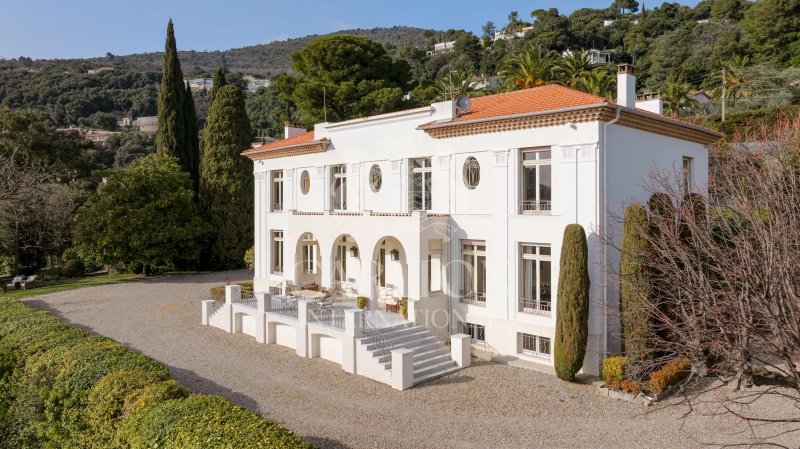
It was at the beginning of the 20th century that Grasse experienced its glory and became an exceptional tourist destination. At the same time, a few luxury hotels were built, as well as grandiose private properties with lush parks. Such as the Villa Fiorentina or that of the Viscount de Noailles, with a garden of Mediterranean essences, known for its rare plants. Grasse thus attracts very wealthy tourists who are fond of flowers, the climate and the Mediterranean lifestyle.
World capital of perfumery
In the 16th century, tanners embalmed the leather with flower essences, and gradually became perfumers. This is how, in an artisanal environment, the cultivation of perfume plants developed in the Pays de Grasse.
Situated between the high mountains of the Mercantour and the Mediterranean coast, Grasse has a sunny climate all year round.
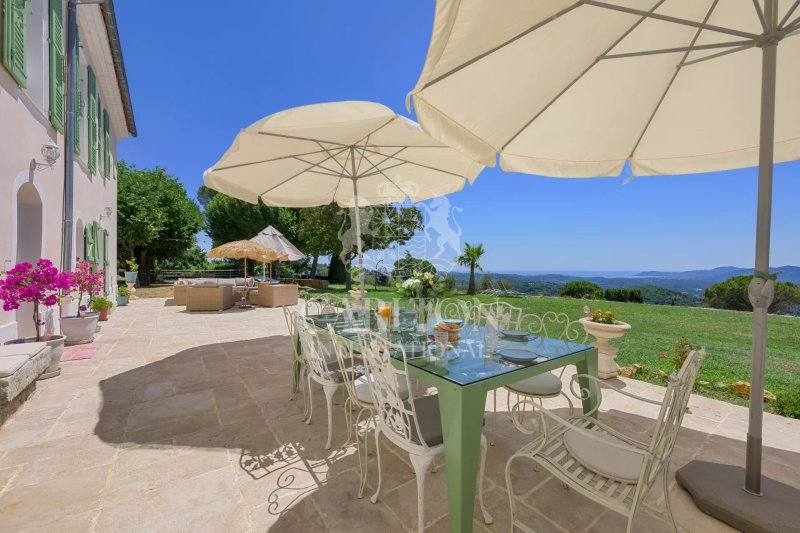
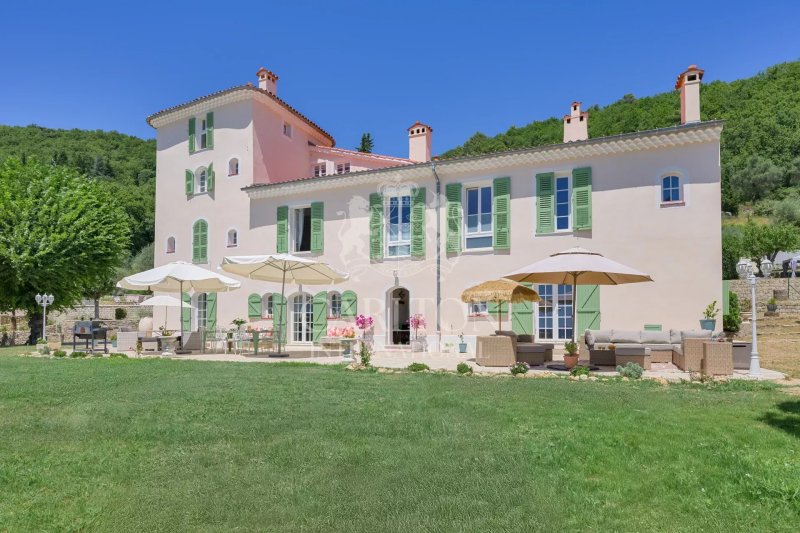
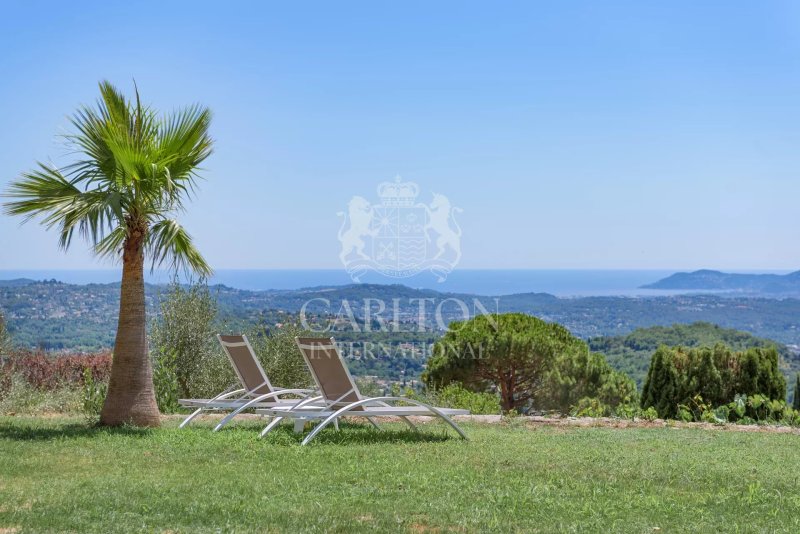
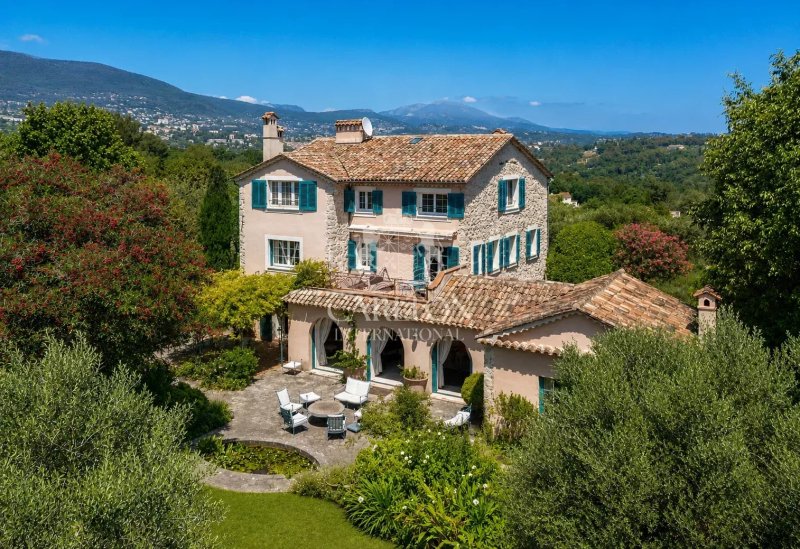
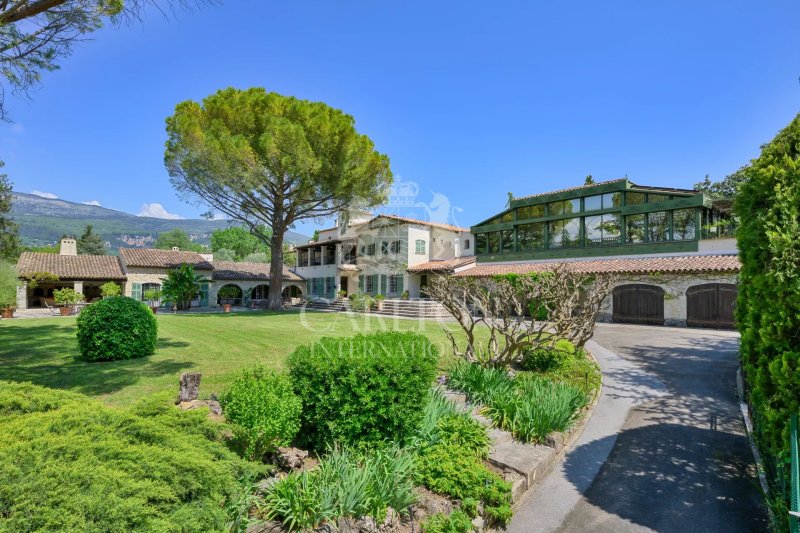
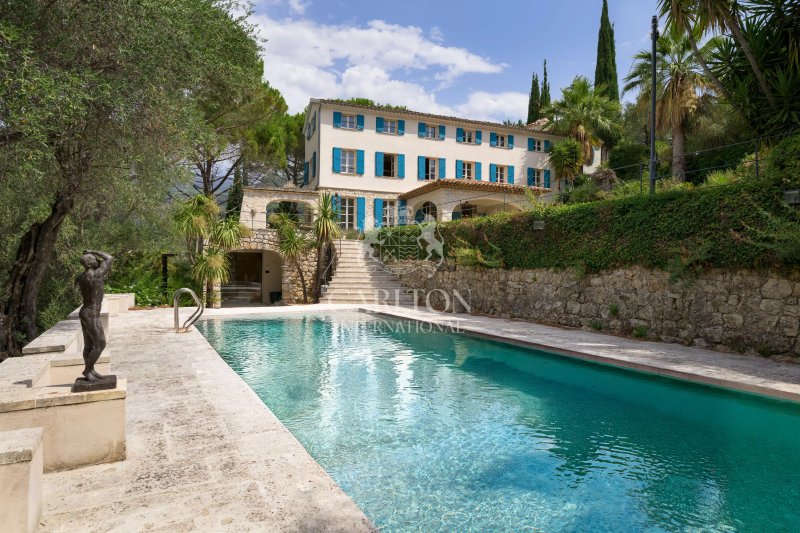
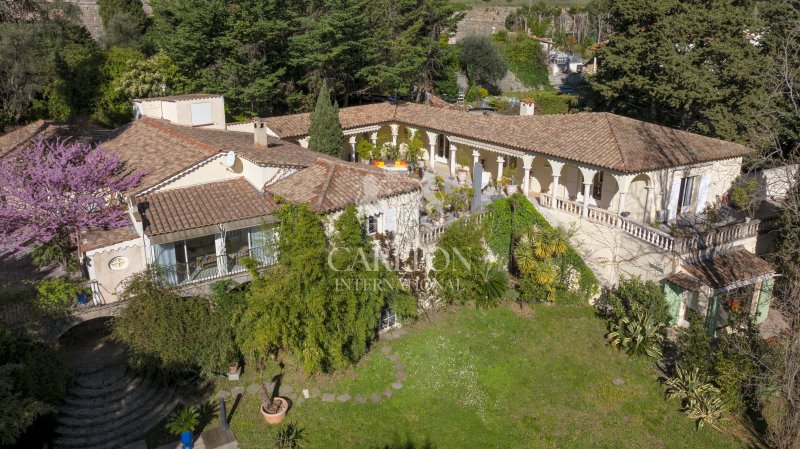
Exceptional properties blend into this natural and authentic landscape. You will find period properties as well as contemporary villas with sea view.
The smells of rose, jasmine and mimosa intermingle at the bend in the street, we are indeed in Grasse. From the raw material to the perfume, through distillation or enfleurage, it is here that we discover the mysteries of perfume making.
You can then set off to discover a little-known yet fascinating old town. Starting from the Place des Aires, with its arcaded houses and Louis XV fountain, take the beautiful, busy streets, cool in summer, full of small shops and typical stalls.You will get lost with fun in the narrow streets and admire the square Saracen tower. As well as the town hall, situated in the heart of the old palace, the medieval houses of the 17th century and also the magnificent mansions and beautiful villas of the 18th century.
For those who love sensations, you can go down into the depths of the Trou du Curé (60 metres underground) or into the cave of the Saint Sauveur waterfall.
Those who prefer the great outdoors will go on an excursion to the regional natural park which is a plant treasure with more than 2000 plant species, a third of the French flora.
The Gardens of the Musée International de la Parfumerie (MIP)Les Jardins du Musée International de la Parfumerie (MIP)Lavender, jasmine, centifolia rose, tuberose, iris, orange tree… Perfumes are first born in plants from here or elsewhere. Set in the heart of the fields of perfume plants cultivated in the Pays de Grasse, the MIP Gardens are a natural space that bears witness to the olfactory landscape linked to local agriculture. Surrounded by an old canal and an agricultural basin, the site extends over 2.5 hectares. It mixes open field crops with landscaped areas presenting collections of fragrant and aromatic plants.
9 results
We use cookies to enhance your browsing experience, serve personalized ads or content, and analyze our traffic. By clicking "Accept All", you consent to our use of cookies.